
Our Approach
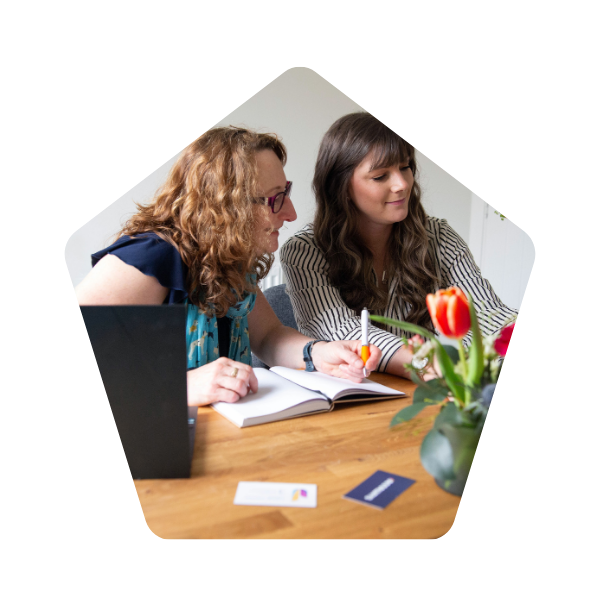

Together the 5 Lenses help leaders understand what is really shaping what happens in their organisation.
Purpose – why this matters now, and for whom.
People – how change is understood and experienced.
Power – where authority sits in practice.
Process – how work actually flows.
Practice – what happens every day that makes change real.
Used together, these perspectives help leadership teams move from assumption to shared understanding. They reveal where energy is draining away, where expectations differ, and where attention will make the greatest difference.
The 5 Lenses don't replace the frameworks your organisation already uses. They work alongside them. Many leadership teams find that once they have looked through the lenses, they know with much greater confidence which existing tools to reach for and where to focus their attention first. It is a layer of sight, not a substitute for the methods you already trust.
Purpose asks a simple question: why does this matter now, and for whom?
In complex organisations, different groups usually hold different assumptions about what success looks like. Local decisions can be sensible in isolation yet pull in competing directions.
Looking through the Purpose lens helps leaders test alignment. Are we aiming at the same outcome? Do today's priorities still serve the mission? Where has purpose drifted?
When purpose becomes clearer, trade-offs become easier and effort begins to add up.
People focuses on how change is actually understood and experienced.
Agreement in meetings rarely translates directly into confidence in practice. Workloads, habits, incentives and history all shape how new expectations are interpreted on the ground.
Through this lens, leaders explore questions such as: Do people have the capacity to do what we're asking? What feels realistic from where they sit? Where might silent workarounds already be forming?
Seeing experience more clearly allows expectations, support and communication to become more honest and more workable.
Power looks at where authority really sits.
Formal structures rarely tell the whole story. Influence often rests with individuals or groups whose role in decision-making isn't immediately visible, yet whose approval or resistance determines what moves forward.
This lens helps leaders ask: Who can say yes? Who can quietly say no? Are responsibilities aligned with expectations?
When power is understood in practice, governance steadies and decisions move with fewer surprises.
Process examines how work actually flows across the organisation.
Designed procedures and real pathways are often very different. Extra steps, unclear handovers or competing systems can make the intended way of working harder than the unofficial one.
Using this lens, leaders follow work as it really happens. Where does it slow down? Where does information get lost? What makes the easier path different from the right one?
Clarity here turns frustration into focused improvement.
Practice brings attention to what happens every day.
Change lasts only when it becomes routine – visible in habits, conversations and small decisions repeated over time.
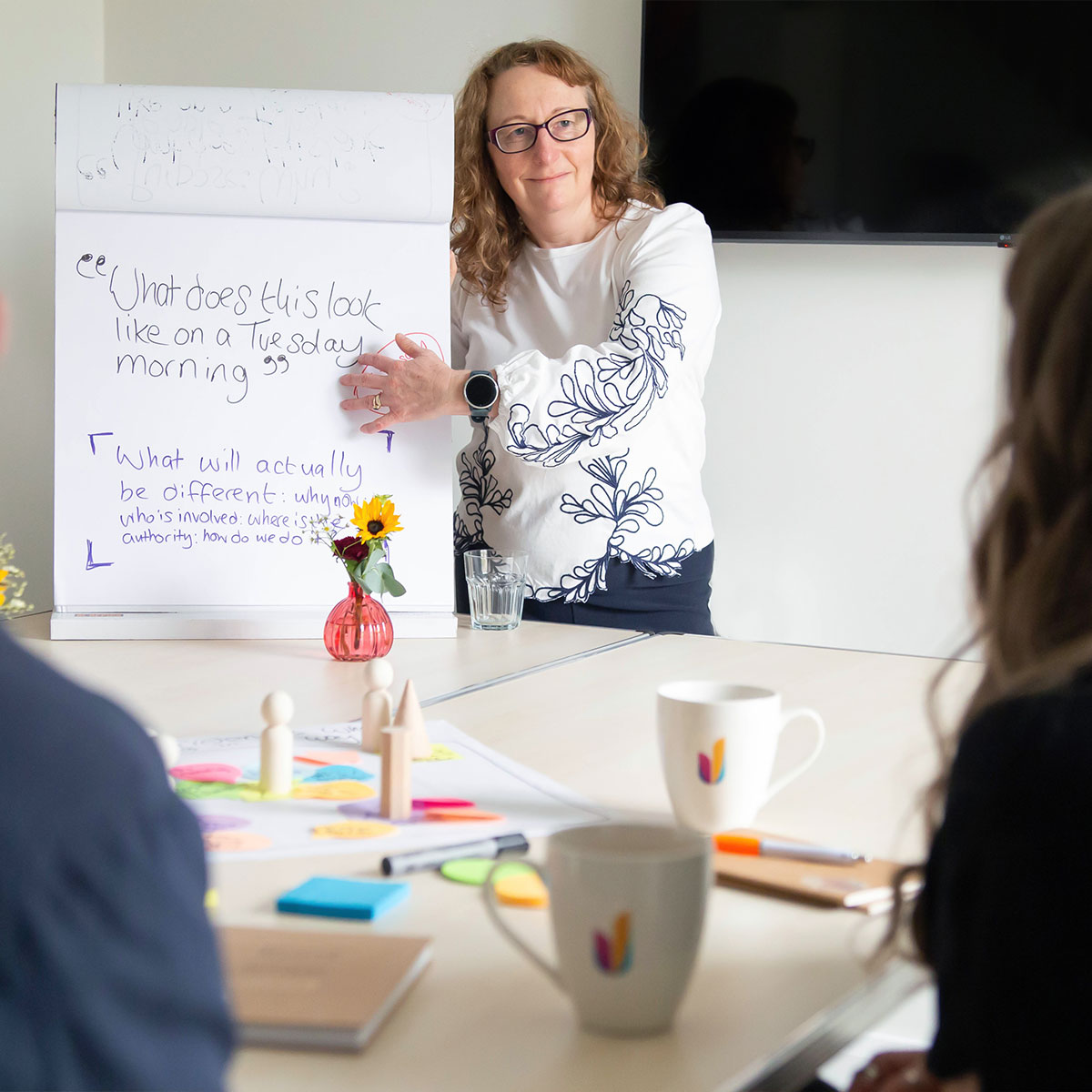
Leaders ask: What should be happening on an ordinary Tuesday morning? What behaviours need to feel normal? What support helps people keep going when pressure rises?
When practice shifts, change stops being a project and becomes how the organisation works.
-

Board and leadership advisory
Working with boards, trustees and senior teams to strengthen oversight, judgement and alignment as change unfolds. Increasingly, this includes helping boards think through AI governance - not just the technology, but implications for judgement, accountability and everyday decision-making.
-

Organisational transformation
Working alongside teams over time to improve how work happens in practice. The focus is on building capability and confidence, not dependency, and on changes people can realistically sustain.